Greensboro Home Insurance: Complete 2026 Guide for the Gate City
Published: January 2026 | Category: City Guides
Greensboro, North Carolina - the Gate City - anchors the Piedmont Triad as the region's largest city and economic hub. With over 300,000 residents, diverse neighborhoods ranging from historic Irving Park to modern downtown condos, and steady growth, Greensboro offers something for every homebuyer. Understanding home insurance costs is essential whether you're buying in Fisher Park, Friendly Avenue, or the rapidly developing downtown.
Here's what Greensboro homeowners actually pay for insurance in 2026, and what makes the Gate City unique from an insurance perspective.
What Greensboro Home Insurance Costs
Greensboro homeowners typically pay between $1,200 and $2,300 annually for home insurance, with most homes falling in the $1,400-$1,800 range. Illustrative range only. Actual premiums vary by home, carrier and coverage. Request a quote for your own number.
Here's what to expect based on home value:
These rates assume standard HO-3 policies with typical coverage limits and deductibles. Greensboro's incredibly diverse housing stock - from 1920s bungalows to brand-new townhomes - means your specific rate depends heavily on your home's age, location, and condition.
Why Greensboro Insurance Costs What It Does
Greensboro offers competitive insurance rates for several reasons:
More affordable than Charlotte or Raleigh: As the Triad's anchor, Greensboro offers lower home values than North Carolina's largest metros, which translates to lower replacement costs and insurance premiums.
Strong city infrastructure: Greensboro has invested in excellent fire protection, police services, and emergency response. Good response times throughout the city help keep premiums competitive.
Diverse but stable market: Unlike explosive-growth towns, Greensboro has grown steadily over decades. This stability means established infrastructure, predictable risk profiles, and competitive insurance markets.
Low natural disaster risk: Located inland with good elevation, Greensboro doesn't face coastal hurricane risks, significant flood concerns, or earthquake exposure. This keeps risk factors and premiums lower.
Guilford County advantages: Strong county building codes, good governance, and comprehensive emergency services contribute to favorable insurance conditions.
Competitive insurance market: Multiple carriers actively compete for Greensboro business, keeping rates reasonable.
Greensboro Neighborhoods and Insurance Costs
Greensboro's diverse neighborhoods create varied insurance profiles:
Historic Neighborhoods
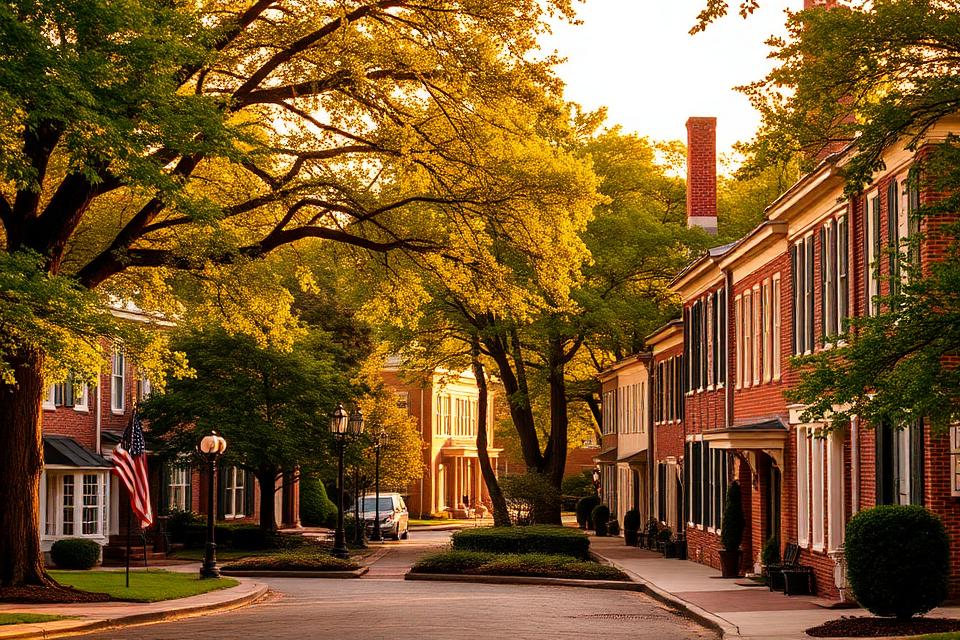
Examples: Irving Park, Fisher Park, Westerwood, Sunset Hills, College Hill
Typical costs: Higher end of range ($1,700-$2,300 for a $350K home)
Why costs are higher: These beautiful, historic neighborhoods feature homes from the 1920s-1940s. Older construction means potential issues with electrical, plumbing, and roofing. Historic features can be expensive to replace properly.
What to know: Not all carriers are comfortable insuring homes over 75 years old. Work with an independent agent who can find carriers that appreciate historic properties. Recent updates to electrical, plumbing, and roofing significantly reduce premiums.
Highlight - Irving Park: One of Greensboro's most prestigious neighborhoods, homes here are stunning but can be costly to insure. However, well-maintained historic homes with updated systems can still get competitive rates.
Established Mid-Century Neighborhoods
Examples: Friendly Hills, Starmount, Adams Farm, Lake Jeanette area, Hamilton Lakes
Typical costs: Mid-range ($1,400-$1,800 for a $350K home)
Why they're competitive: These well-maintained neighborhoods feature homes from the 1950s-1980s. Most have had roof replacements and system updates, keeping insurance costs reasonable while offering established landscaping and mature communities.
What to know: The age and condition of major systems (roof, HVAC, electrical, plumbing) significantly impact your rate. A well-maintained 1970s home can cost less to insure than a poorly maintained 2010s home.
Newer Suburban Developments (1990s-2010s)
Examples: Sedgefield, Lake Brandt area neighborhoods, newer sections of northwest Greensboro
Typical costs: Lower to mid-range ($1,300-$1,700 for a $350K home)
Why they're affordable: Modern construction standards, newer roofs and systems, quality materials. These neighborhoods offer the sweet spot of established communities with relatively modern construction.
What to know: These neighborhoods have proven track records. Communities with good maintenance and few major claims typically see stable or improving rates over time.
Downtown/Urban Greensboro
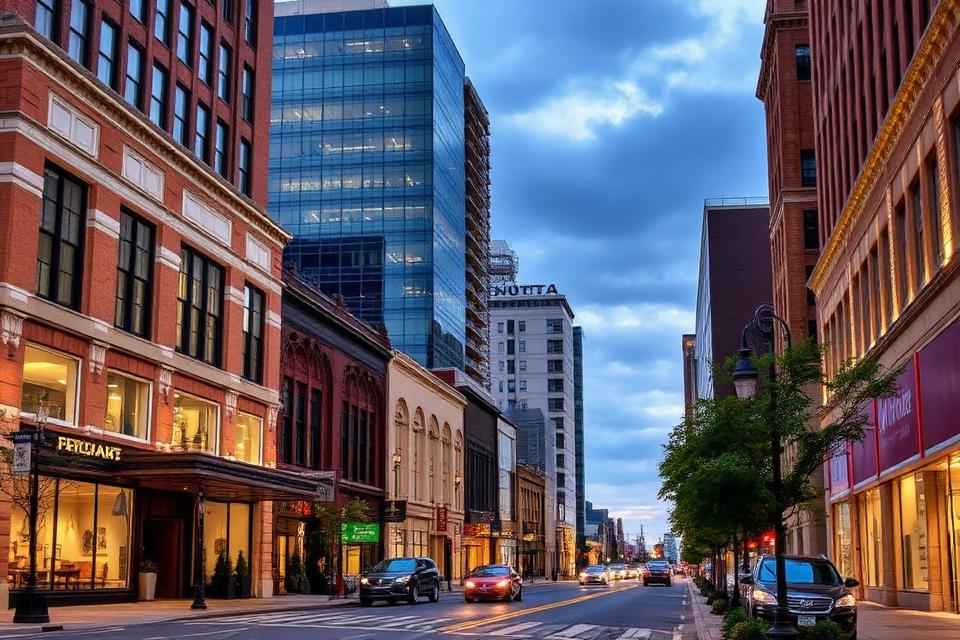
Examples: Downtown condos, lofts, Center City, emerging urban neighborhoods
Typical costs: Variable ($900-$1,600 for condos, $1,500-$2,000 for single-family)
Why they vary: Condo insurance (HO-6) is much less expensive than single-family home insurance. Converted historic buildings may cost more. Newer downtown construction is competitive.
What to know: Downtown living means condo policies for most buyers. These cover your unit's interior, belongings, and liability - usually $900-$1,600/year. Much more affordable than single-family home insurance.
Newest Development Areas
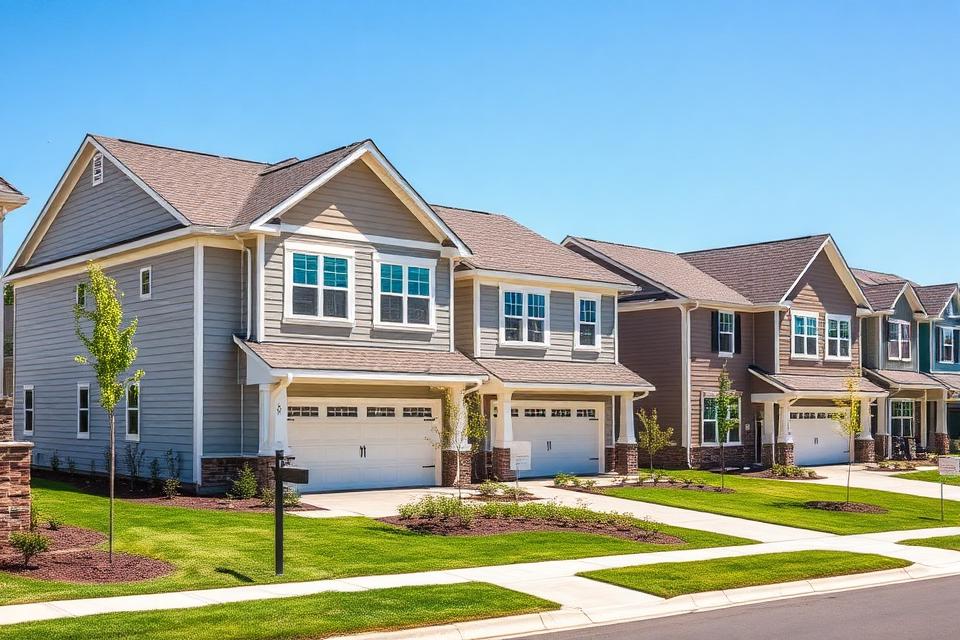
Examples: Latest phases throughout Greensboro, newer townhome communities
Typical costs: $1,200-$1,600 for a $350K home. Illustrative range only. Actual premiums vary by home, carrier and coverage. Request a quote for your own number.
Factors that affect rates here: Brand new construction means modern building codes, warranties, no claims history, and often smart home technology. Carriers often factor these features into pricing.
What to know: New home discounts may reduce your premium in the first several years. Maximize savings by bundling policies and maintaining your home excellently from day one.
East Greensboro
Examples: Various neighborhoods east of downtown
Typical costs: $1,100-$1,500 for a $275K home
Why they're affordable: Lower home values mean lower replacement costs. Improving neighborhoods with community investment.
What to know: East Greensboro offers excellent value. As the area continues improving, insurance rates remain very competitive.
What Makes Greensboro Unique for Insurance
Triad's largest city: As the region's economic anchor, Greensboro benefits from substantial investment in infrastructure, emergency services, and city resources - all contributing to favorable insurance conditions.
Diverse housing stock: Unlike some cities dominated by one era of construction, Greensboro has everything from 1920s historic homes to 2020s new construction. This diversity means insurance needs and costs vary significantly by neighborhood.
UNCG and college influence: The University of North Carolina at Greensboro and other colleges create stable rental markets and neighborhoods with consistent demand.
Manufacturing heritage transitioning to knowledge economy: Greensboro's evolution from textiles and furniture to healthcare, technology, and services creates diverse neighborhoods and stable property values.
Central Triad location: Greensboro's position between Winston-Salem and High Point, with easy access to both, makes it a strategic choice for Triad residents.
Strong sense of community: Neighborhood associations, historic preservation efforts, and civic engagement contribute to well-maintained properties and stable insurance markets.
Coverage Needs for Greensboro Homeowners
Standard coverage includes:
Greensboro-specific considerations:
Historic home coverage: If buying in Irving Park, Fisher Park, or other historic neighborhoods, ensure your policy accounts for higher replacement costs for period-appropriate materials and craftsmanship.
Adequate dwelling coverage: Don't confuse market value with replacement cost. A $350,000 home in Greensboro may need $425,000+ in dwelling coverage to fully rebuild at current construction costs, especially for older homes requiring specialized materials.
Water backup coverage: Recommended for all homes but especially valuable in older neighborhoods with aging infrastructure. This coverage costs $50-100/year and protects against sewer or drain backups.
Replacement cost for personal property: Always choose replacement cost over actual cash value. It costs slightly more but pays to replace items at today's prices rather than depreciated value.
Liability protection: With Greensboro's mix of urban and suburban living, solid liability coverage is essential. Minimum $300,000, preferably $500,000.
Umbrella policy: For additional protection beyond your standard policy, a $1 million umbrella costs only $200-300/year and protects your assets and future earnings.
Condo insurance (HO-6): If buying a downtown condo or townhome, you need an HO-6 policy, not standard homeowners insurance. Much less expensive, typically $900-$1,600/year.
Common Coverage Mistakes in Greensboro
Underinsuring historic homes: Old homes often cost MORE to rebuild than modern construction due to specialized materials and craftsmanship. Don't assume lower market value means lower replacement cost.
Not accounting for updates: Renovated that historic home with modern systems and finishes? Make sure your coverage reflects these improvements.
Basing coverage on purchase price: Your home's market value isn't the same as replacement cost. Construction costs remain elevated, requiring higher dwelling coverage.
Choosing the wrong policy type: Buying a condo but getting quoted for single-family home insurance? That's a costly mistake. Condos need HO-6 policies.
Ignoring neighborhood-specific risks: Different Greensboro neighborhoods have different considerations. Work with an agent who knows the city.
Not reviewing after renovations: Remodeled the kitchen? Added a master suite? Finished the basement? Update your coverage to protect these investments.
How Greensboro Compares to Other NC Cities
Greensboro's insurance rates are competitive across North Carolina:
vs. Charlotte: Significantly lower on average. Charlotte's higher home values push premiums up substantially.
vs. Raleigh/Triangle: Lower overall. Triangle home values, especially in Cary and North Raleigh, are higher than Greensboro averages.
vs. Winston-Salem: Very similar. Both Triad cities with comparable housing stock and demographics.
vs. High Point: Comparable. Both offer affordable Triad insurance rates.
vs. Durham: Similar overall. Both have diverse housing mixing old and new.
vs. Coastal NC: Much lower. No hurricane risk means significantly lower premiums than Wilmington or coastal areas.
Money-Saving Strategies for Greensboro Homeowners
Bundle home and auto insurance: One way to save, and it may reduce your premiums on both policies. Most Greensboro families have multiple vehicles, making bundling especially valuable.
Update major systems: If buying an older home, updating the roof, electrical, plumbing, or HVAC can significantly reduce your premium. Sometimes insurance savings offset part of the upgrade cost.
Increase your deductible: Moving from a $1,000 to $2,500 deductible can lower your annual premium. Ensure you have emergency savings to cover the higher deductible if needed.
Install protective devices: Security systems, smoke detectors, monitored alarms, and smart home technology all earn discounts.
Maintain excellent credit: North Carolina allows insurers to use credit-based insurance scores. Good credit can lower your rates substantially.
Ask about professional discounts: Teachers, nurses, engineers, and other professionals often qualify for discounts. Many Greensboro residents work in education, healthcare, or professional services at places like Cone Health, UNCG, or corporate offices.
Historic home improvements: If you've updated electrical, plumbing, or roofing in a historic home, ensure your insurer knows. These improvements can significantly reduce premiums.
Stay claims-free: Going several years without filing claims earns substantial discounts. Only file for significant losses.
Shop around periodically: Insurance rates change. Compare quotes every 2-3 years to ensure your coverage still fits your needs.
Consider condo living: If considering downtown, remember that condo insurance is much less expensive than single-family home insurance.
What First-Time Greensboro Buyers Need to Know
Greensboro attracts diverse buyers from first-timers to retirees. Here's what newcomers need to know:
Start shopping early: Begin getting insurance quotes as soon as you're under contract. Don't wait until closing week.
Your lender requires insurance: You cannot close without proof of insurance effective on your closing date.
Historic homes need special attention: If buying in Irving Park or Fisher Park, work with an agent experienced in insuring historic properties. Not all carriers are comfortable with homes over 75 years old.
Know your neighborhood: Different Greensboro neighborhoods have different insurance profiles. Local knowledge matters.
Condo vs. single-family: Understand which type of policy you need. Condos require HO-6 policies that are much less expensive.
Don't choose on price alone: The lowest-priced quote isn't always the best fit. Consider coverage quality, deductibles, carrier reputation, and claims service.
Greensboro's Growing Neighborhoods
Several Greensboro areas are seeing increased investment and development:
Downtown revitalization: Downtown Greensboro is experiencing a renaissance with new apartments, restaurants, and businesses. Urban living insurance needs differ from suburban homes.
Friendly Avenue corridor: Continued development and redevelopment along this major artery.
Northeast Greensboro: Newer development and growth in this area.
Infill development: Various neighborhoods seeing new construction on vacant lots, adding modern homes to established areas.
Special Situations for Greensboro Residents
Historic homes: Properties over 75 years old need specialized coverage. Work with agents experienced in historic home insurance.
Rental properties: Greensboro's college presence creates strong rental markets. Landlord policies (DP-3) differ from homeowner policies.
Home-based businesses: Many Greensboro residents work remotely or run businesses from home. Standard policies exclude business coverage - ask about home business endorsements.
Condos and townhomes: Downtown and throughout the city, these require HO-6 policies, not standard homeowners insurance.
Multi-generational homes: If buying a home to share with extended family, discuss coverage needs with your agent.
Questions to Ask Your Insurance Agent
When getting quotes for your Greensboro home:
Why Choose an Independent Agency for Your Greensboro Home
Working with an independent agency like Brightway The Ganim Agency offers clear advantages:
We know Greensboro: We understand the difference between Irving Park and East Greensboro, between a 1920s bungalow and a 2020s townhome. Local knowledge matters.
We shop multiple carriers: As an independent agency, we're not limited to one insurance company. We compare options from numerous carriers - especially important for historic or unique properties where carrier comfort levels vary.
We're accessible: When you have questions or need help with a claim, you're working with a professional agency, not just a call center.
We understand diverse properties: Greensboro's mix of old and new, urban and suburban, creates varied insurance needs. We handle this diversity daily.
We focus on value: We know Greensboro buyers value both quality and fairness. We help you find excellent coverage at competitive prices.
We're committed to North Carolina: We serve communities across North Carolina and understand what makes each market unique.
Greensboro's Enduring Appeal
Greensboro offers a compelling combination of affordability, culture, education, and opportunity:
You get:
Including:
Get Your Greensboro Home Insurance Quote
Ready for a personalized quote for your Greensboro home? Whether you're buying in Irving Park, downtown, or anywhere else in the Gate City, Brightway The Ganim Agency can help you find the right coverage at a competitive rate.
Contact us today:
We'll answer all your questions, compare multiple carriers, and help you make an informed decision. We understand Greensboro's diverse neighborhoods and can help you protect your investment in the Gate City.
Buying in Greensboro? Congratulations on choosing the Triad's anchor city. Let's make sure your new home is properly protected from day one.
---
Triad Insurance Guide is powered by Brightway The Ganim Agency, an independent insurance agency serving homeowners and businesses throughout the Piedmont Triad region. We're proud to serve Greensboro and help Gate City residents protect what matters most.